How to Choose the Perfect Dining Room Table Legs for Your Home
From Standard to Modern: Discover the Perfect Dining Room Table Legs for Your Design
While traditional designs such as cabriole and transformed legs evoke a sense of timeless class, contemporary styles like hairpin and geometric choices present a chance for striking aesthetic passion. As you consider these elements, the inquiry stays: just how can you flawlessly integrate these diverse leg styles to create an unified eating experience?
Recognizing Table Leg Styles
The range of dining-room table leg styles can significantly influence both the looks and capability of the room. Each leg style adds special visual components and useful features, satisfying diverse design choices and use needs. Understanding these styles is important for picking the right eating table that straightens with your general interior decoration vision.
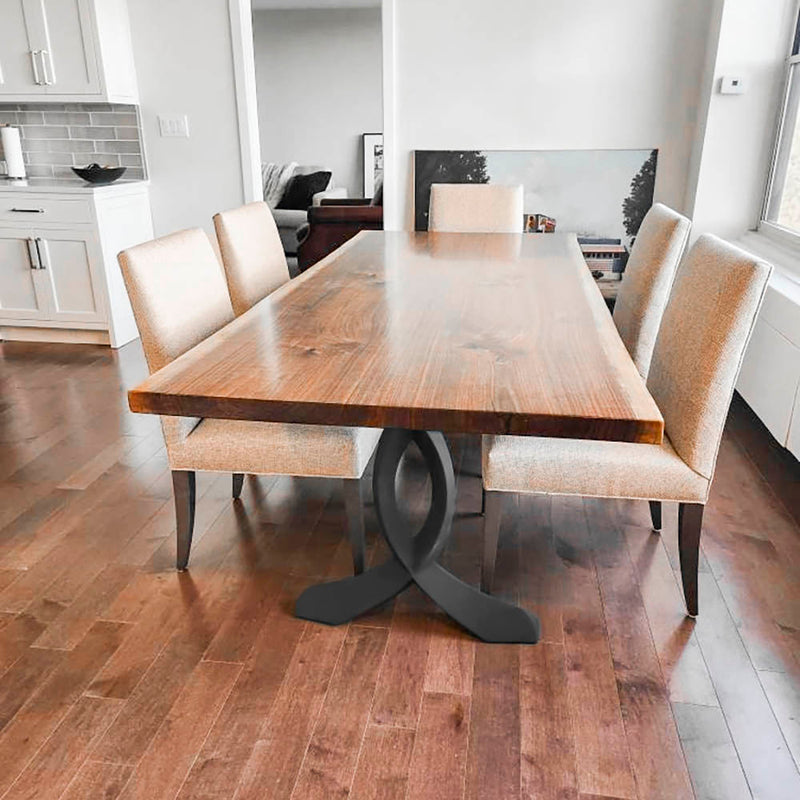
As an example, tapered legs offer a tidy, timeless appearance that can boost an area's sophistication, while pedestal bases give stability and make the most of legroom, making them suitable for smaller sized areas. Barrette legs, a trademark of mid-century contemporary layout, introduce an industrial flair, enabling for an airy, open feel. Likewise, trestle legs evoke rustic beauty, giving durable assistance and a feeling of eternity.
Moreover, the selection of products plays a considerable role. Wood legs can bring heat and texture, whereas metal choices typically convey a streamlined, contemporary vibe. Inevitably, comprehending table leg styles is essential for developing a natural eating area that shows personal design while making certain practicality and comfort. By thoughtfully thinking about these components, you can improve both the practical and aesthetic appeal of your dining room.
Standard Table Leg Options
When selecting dining room table legs, conventional alternatives often embody ageless sophistication and craftsmanship. These layouts reflect a rich heritage and a dedication to top quality, making them ideal for those that value timeless appearances.
Among the most iconic traditional leg styles is the cabriole leg, identified by its elegant bent shape. This layout usually includes decorative carvings and is most typically located in Queen Anne and Chippendale furniture. One more preferred choice is the transformed leg, which boasts a series of smooth, rounded shapes that give a traditional look while preserving stability.
Moreover, the straight leg, while basic, uses a unadorned and strong structure that can mix seamlessly with a selection of tabletop styles. For those drawn to ornate detailing, claw-and-ball feet legs stimulate a sense of splendour and can offer as a spectacular centerpiece in any kind of eating room.
Last but not least, stand bases, although not purely legs, give an alternative typical alternative that permits adequate legroom and can be beautifully sculpted. Each of these standard leg designs adds to the total setting of an eating area, marrying feature with aesthetic appeal.

Modern Table Leg Styles
Modern table leg styles offer a varied variety of styles that stress cutting-edge products and tidy lines. These styles often focus on performance while serving as striking focal factors within an eating space. Minimalist aesthetics are widespread, with legs crafted from materials such as steel, glass, and engineered wood, which add to a airy and contemporary feeling.
One prominent layout is the hairpin leg, characterized by its slender, tapered structure that offers stability without frustrating the table top (dining room table legs). This design is often discovered in mid-century modern-day furniture and can easily match various dining table shapes. An additional trend is using geometric shapes, where legs might handle asymmetrical or angular types, adding aesthetic rate of interest and a touch of artistry
Mixing Designs for Distinct Spaces
Often, homeowners look for to create check over here special dining areas that mirror their individual design by blending various style components. This strategy permits for the incorporation of diverse aesthetics, causing a harmonious yet distinctive atmosphere. As an example, matching a rustic wooden check here table with sleek, modern-day metal legs can create an attractive comparison that raises the room's general appeal.
Additionally, integrating vintage table legs with contemporary tabletops can stimulate a feeling of background while maintaining a modern sensibility. Such combinations not just display private preference however additionally urge creativity, allowing house owners to curate a space that really feels both individual and welcoming.
Color plays a vital function in this blending process; selecting table legs that enhance or contrast with the existing color pattern can enhance aesthetic interest. As an example, whitewashed legs can soften the daring of a dark table surface area, developing a balanced aesthetic.
Tips for Picking the Right Legs
Picking the right table legs is important for achieving both performance and visual charm in your dining room. Begin by taking into consideration the overall style of your space. Conventional settings gain from legs that include detailed carvings or transformed designs, while modern rooms may ask for smooth, minimalist designs.
Following, examine the elevation and stability of the legs. dining room table legs. Common table range in between 28 to 30 inches in elevation, so ensure the legs complement this dimension for convenience. Furthermore, durable products, such as wood or steel, company website can enhance security and longevity
Assess the leg shape as well-- alternatives consist of straight, tapered, or stand layouts. Straight legs use a traditional appearance, while tapered legs can include a touch of elegance. Pedestal bases provide adequate legroom and are excellent for smaller spaces.
Verdict
In recap, selecting the ideal dining space table legs calls for careful consideration of both traditional and modern-day designs. By balancing leg style, height, and product with the overall decoration, a natural and inviting ambience can be achieved.
The selection of dining room table leg designs can significantly influence both the visual appeals and performance of the space. Inevitably, recognizing table leg styles is vital for creating a natural dining area that shows personal design while guaranteeing usefulness and comfort.One of the most iconic typical leg styles is the cabriole leg, defined by its elegant curved form. Straight legs supply a traditional look, while conical legs can add a touch of style.In summary, picking the suitable eating area table legs needs mindful factor to consider of both conventional and contemporary styles.